SCHEDULE A FREE EXAMINATION!
+387 51 230 700
 WORK TIME
Monday - Friday
-
08:00 - 20:00
Saturday
-
09:00 - 13:00
Sunday
-
Day off
Address
-
Vidovdanska 2, Banja Luka
CONTACT
Mob:
+387 65 233 88 (VIBER)
Tel:
+387 51 230 700
Tel:
+387 51 230 701
E-mail:
ordinacija@simicdent.com


MENI
- Home
- Services
- ESTHETIC DENTISTRY
- DENTAL PROSTHETICS
- PERIODONTIC
- ORAL SURGERY
- CONSERVATIVE DENTISTRY AND ENDODONTICS
- PEDIATRIC AND PREVENTIVE DENTISTRY
- ORTHODONTICS
- HYALURONIC TREATMENT
- LASER THERAPY
- OZONE THERAPY
- DIGITAL DENTAL X-RAY (RTG)
- Straumann implant placement. A quick and painless routine procedure with an experienced oral surgeon - implantologist - Banja Luka
- Subperiosteal implants
- News
- Team
- Dental tourism
- Contact
-
 English


 English
Wisdom tooth extraction – everything you need to know
Wisdom Teeth and Their Role
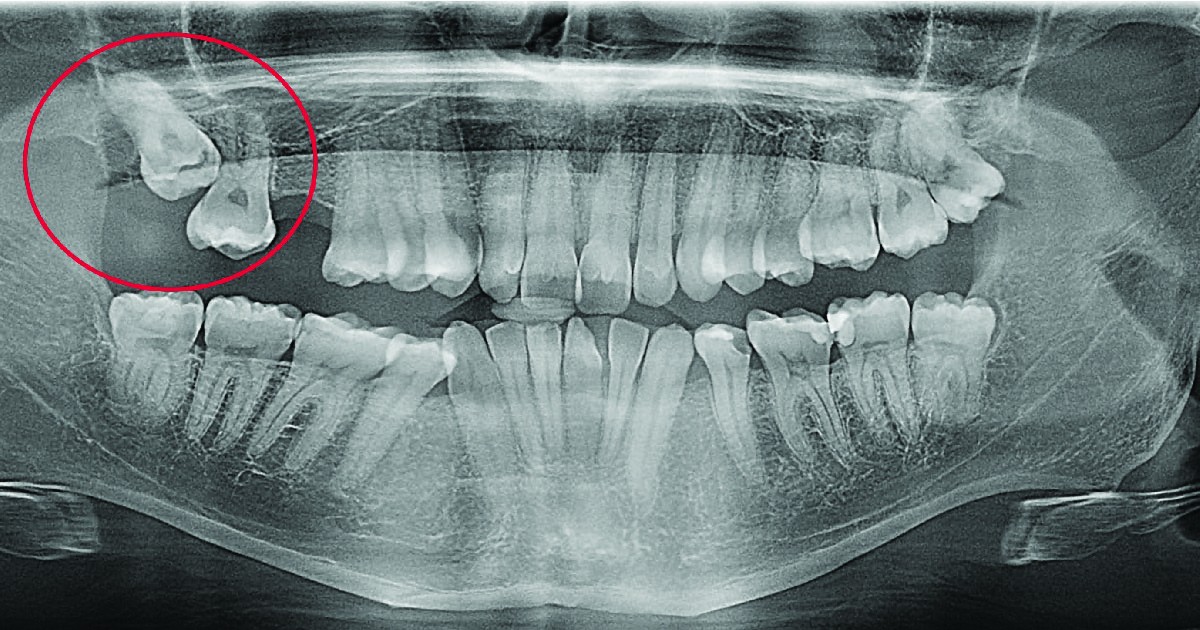
For many patients, surgical extraction is the first thing that comes to mind when they hear about wisdom teeth - or “eights.” Wisdom teeth, also known as third molars, are the last permanent teeth to erupt, usually between the ages of 17 and 25. In the past, they played an important role, as humans used to eat harder and rawer food, and the jaw was larger with enough space for them. Today, due to changes in diet and jaw structure, wisdom teeth often don’t have enough room to grow properly. When that happens, they can cause a number of problems—from pain and swelling to shifting of neighboring teeth and serious, painful infections.
When Wisdom Teeth Need to Be Removed
Not all wisdom teeth have to be extracted. If they erupt properly and don’t cause discomfort, they can stay in the mouth.
However, in many cases, dentists recommend their removal. The most common reasons include:
-
The tooth grows at an incorrect angle and puts pressure on neighboring teeth.
-
It is partially erupted, creating a space for bacteria to accumulate.
-
It causes pain, swelling, or gum inflammation.
-
It damages a nearby tooth or creates a cyst.
-
It interferes with orthodontic treatment or proper tooth alignment.
-
Timely removal of wisdom teeth prevents serious complications and helps maintain the overall health of the mouth.
The Wisdom Tooth Extraction Procedure
Before the procedure, a detailed examination and a CBCT (3D) scan are performed to determine the position of the tooth and its relation to the nerves and bone.
This allows the dentist or oral surgeon to plan the best approach.
The extraction can be simple—when the tooth is easily accessible and already erupted—or surgical. The procedure is usually done under local anesthesia, so the patient doesn’t feel pain, only pressure or slight movement.
If the tooth hasn’t erupted yet, a surgical approach is needed: a small incision is made in the gum, part of the bone is removed, and the tooth is extracted in one piece or smaller parts. Stitches are then placed, and sterile gauze is applied to stop bleeding.
The procedure typically lasts between 20 minutes and one hour, depending on complexity and the number of teeth being removed.
Does Wisdom Tooth Extraction Hurt?
The biggest fear patients have is pain—but thanks to modern anesthetics, the procedure itself is completely painless. After the anesthesia wears off, it’s normal to feel mild to moderate discomfort, swelling, or tenderness. These symptoms are successfully managed with painkillers prescribed by the dentist and by applying cold compresses to the cheek.
Recovery and Aftercare
Recovery time varies from patient to patient, but it usually lasts a few days.
The first 24 hours are crucial, as a blood clot forms during that period to protect the wound.
-
Bleeding and swelling: Mild bleeding and swelling are normal and subside within 2–3 days. Keep the gauze as advised and use cold compresses to reduce swelling.
-
Diet: Soft and cool foods like yogurt, soup, mashed potatoes, and pudding are recommended. Avoid hot, spicy, and crunchy food. Do not use straws or smoke, as this can disturb the blood clot and slow healing.
-
Oral hygiene: You can brush your teeth the next day, but carefully, avoiding the wound area. Rinsing with salt water is recommended only after 24 hours.
-
Physical activity: Avoid heavy physical effort or sports for the first few days to allow proper healing.
Most patients feel well after 3–5 days, while complete healing may take up to two weeks.
Possible Complications
Although rare, complications may occur after extraction.
The most common one is dry socket, when the blood clot dissolves or dislodges, leaving the wound exposed. This causes severe pain and requires additional care from the dentist. Other possible issues include infection, prolonged bleeding, or numbness of the cheek or tongue if a nerve is close to the tooth root. That’s why it’s important to follow your dentist’s instructions and report any unusual symptoms. Thanks to precise diagnostics and careful planning, surgical extraction has become a routine and safe procedure - especially in the hands of experienced oral surgeons.
Conclusion
Wisdom tooth extraction is one of the most common dental procedures and, in most cases, goes smoothly and without complications. Although the idea may sound uncomfortable, modern techniques and professional care make the process painless and recovery short. Timely removal prevents more serious problems and supports long-term dental and gum health. If you experience pain, swelling, or notice changes in your jaw, it’s best to consult your dentist. They will determine whether extraction is necessary and provide detailed guidance for a safe and speedy recovery - ensuring not only optimal oral health but also a worry-free smile.
06. Oktobar. 2025
Podijeli na društvenim mrežama: Facebook