SCHEDULE A FREE EXAMINATION!
+387 51 230 700
 WORK TIME
Monday - Friday
-
08:00 - 20:00
Saturday
-
09:00 - 13:00
Sunday
-
Day off
Address
-
Vidovdanska 2, Banja Luka
CONTACT
Mob:
+387 65 233 88 (VIBER)
Tel:
+387 51 230 700
Tel:
+387 51 230 701
E-mail:
ordinacija@simicdent.com


MENI
- Home
- Services
- ESTHETIC DENTISTRY
- DENTAL PROSTHETICS
- PERIODONTIC
- ORAL SURGERY
- CONSERVATIVE DENTISTRY AND ENDODONTICS
- PEDIATRIC AND PREVENTIVE DENTISTRY
- ORTHODONTICS
- HYALURONIC TREATMENT
- LASER THERAPY
- OZONE THERAPY
- DIGITAL DENTAL X-RAY (RTG)
- Straumann implant placement. A quick and painless routine procedure with an experienced oral surgeon - implantologist - Banja Luka
- Subperiosteal implants
- News
- Team
- Dental tourism
- Contact
-
 English


 English
Interdental brushes – the best “tool” for quality oral hygiene
What are interdental brushes?
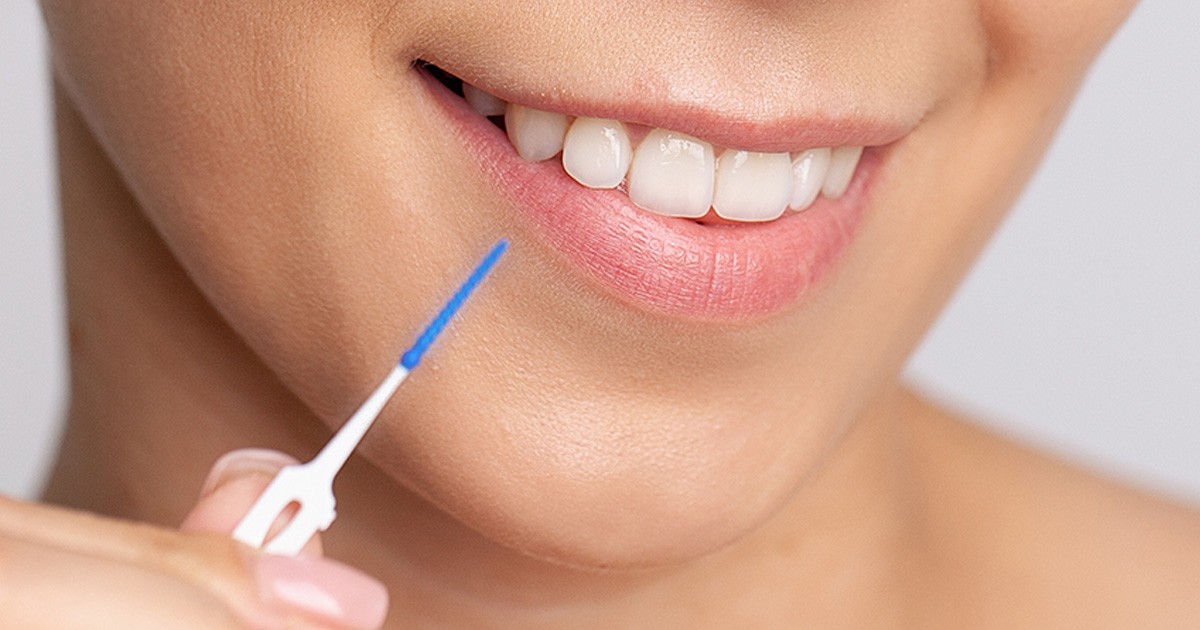
Interdental brushes are small brushes with a thin wire (sometimes rubber or plastic) coated with soft bristles, designed to clean the spaces between the teeth — areas a regular toothbrush cannot reach. They come in different sizes, usually color-coded to make it easier to select the right size for each interdental space.
Why are they important?
-
Removing plaque and debris: Plaque and food particles accumulate between teeth, which can lead to gingivitis, periodontitis, cavities, and bad breath.
-
Prevention of gum disease and cavities: Regular use helps prevent gingivitis, stops progression to periodontitis, and reduces the risk of cavities.
-
More effective than regular brushing: A standard toothbrush cleans only about 60–70% of the tooth surface.
-
A better alternative to floss in certain situations:
Studies show that interdental brushes can be more effective than floss in cleaning interproximal spaces. -
Ease of use: Suitable for patients with braces, prosthetics, implants, implant-supported prosthetics, or those with wider gaps between teeth where food often gets stuck.
-
Reducing inflammation and improving gum health: Using interdental brushes decreases gum inflammation because hygiene is more thorough and detailed compared to flossing.
When should they be used?
-
After regular toothbrushing with a soft toothbrush: Use interdental brushes after brushing your teeth — first brush, then clean with interdental brushes, and finally rinse if needed.
-
Once a day: Ideally, they should be used daily, especially in the evening before bedtime.
How are they used?
-
Choosing the right size: The largest brush that passes without force is the correct one. You may need several sizes for different interdental spaces.
-
Gentle insertion: Insert the brush vertically with light pressure; do not force it to avoid injuring the gums.
-
Back-and-forth motion: Move the brush gently a few times back and forth in each space, then rinse it and move on to the next space.
-
After use: Rinse with water, dry it, and protect it with a cap. Replace it regularly - after several uses or when the bristles wear out.
-
Gum bleeding: Mild bleeding may occur at first — this is normal and usually stops within a few days. If it persists, see your dentist.
FAQ (Frequently Asked Questions)
1. Which is better — floss or interdental brushes?
It depends on the size of the space. Interdental brushes are more practical for wider gaps, braces, implants, etc. Dental floss is better for teeth with very tight contact points or under bridges where brushes cannot pass.
2. How often should they be used?
Once a day, ideally in the evening. Regular morning and evening brushing should be complemented by interdental cleaning.
3. Will my gums bleedif I use them?
Mild bleeding is normal at first. If bleeding continues, consult your dentist.
4. How do I choose the right size?
Start with the thickest brush that fits without force. Depending on the size of your spaces, you may need several different brushes.
5. How should they be maintained?
Rinse after use, dry, and protect with a cap; replace every few uses or when the bristles bend and are no longer effective.
6. Can everyone use them?
Yes, we recommend them to all patients, especially those with braces, implants, crowns, bridges, or wider interdental spaces.
Conclusion
Interdental brushes are a very important and effective tool for oral hygiene. They complement toothbrushing, clean interdental spaces more efficiently, reduce the risk of gum disease and cavities, and are often easier to use than traditional floss. The key is choosing the right size, using gentle technique, and staying consistent.
08. Septembar. 2025
Podijeli na društvenim mrežama: Facebook